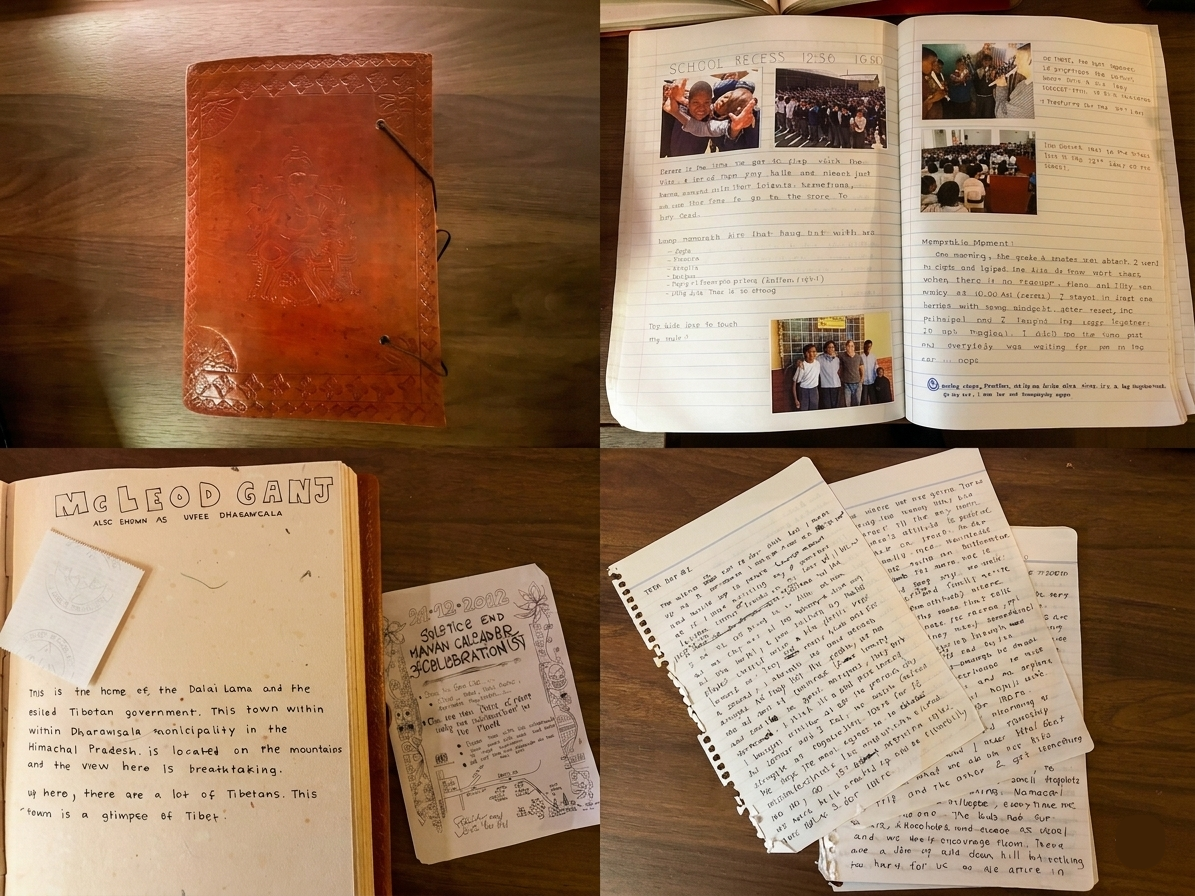
San was born in 2020. A few weeks after his birth, I opened a notebook and started writing.
Not for me. For him. And for Ari, who would come two years later.
I wanted them to know who I really was. Not the father they see every day. The Dan from before. The one who grew up in Montreal without quite knowing where he fit. Not fully Vietnamese, not fully Québécois. Someone no one else could have explained to them but me.
My parents arrived in Canada on a clandestine boat. They were fleeing Vietnam. That’s chapter 1. Their story, their war, what it feels like to arrive here with nothing and start over.
Chapter 2 is me as a child. Three versions of me at once: the one who hid his origins at school because he just wanted to be like everyone else. The one who played the perfect son in front of his parents. And the real one, somewhere in between, still searching.
I wrote about racism, because San and Ari will face it the way I did, and I want them to have the words I never had. I wrote about money, about the friends we keep and the ones who pass through, about how I met Serim in Malaysia and what that taught me about love.
Six chapters in three years. Written at night, between feedings, after long workdays. Each session stolen from whatever time was left.
And yet, I couldn’t move forward.
The problem wasn’t the blank page.
It was my head.
Every new chapter, I’d reread everything from the beginning to find the thread. By chapter 7, that meant rereading the first six. And with every read, I’d see things to change. Contradictions. Repetitions. Ideas that had evolved since I’d first written them.
I rewrote chapter 2 so that chapter 7 would hold together. Then I rewrote passages in the first six. At some point I felt like I’d written 36 chapters, not 7.
My rhythm was: a whole night of motivation, and the next day I’d give up. Sometimes a week of intense work, then I’d tear it all apart and start over. After every session, I stopped.
It wasn’t a lack of willpower. It was a format problem. We’re not built to write like this. We’re built to talk.
That’s when I decided to build a tool.
Not a notebook. Not a text file. Something that captures the voice, remembers what’s already been said, and helps organize without having to reread everything from the start.
A few months later, I was talking to Yann over coffee. He had his story with his mother. I had mine with my notebook.
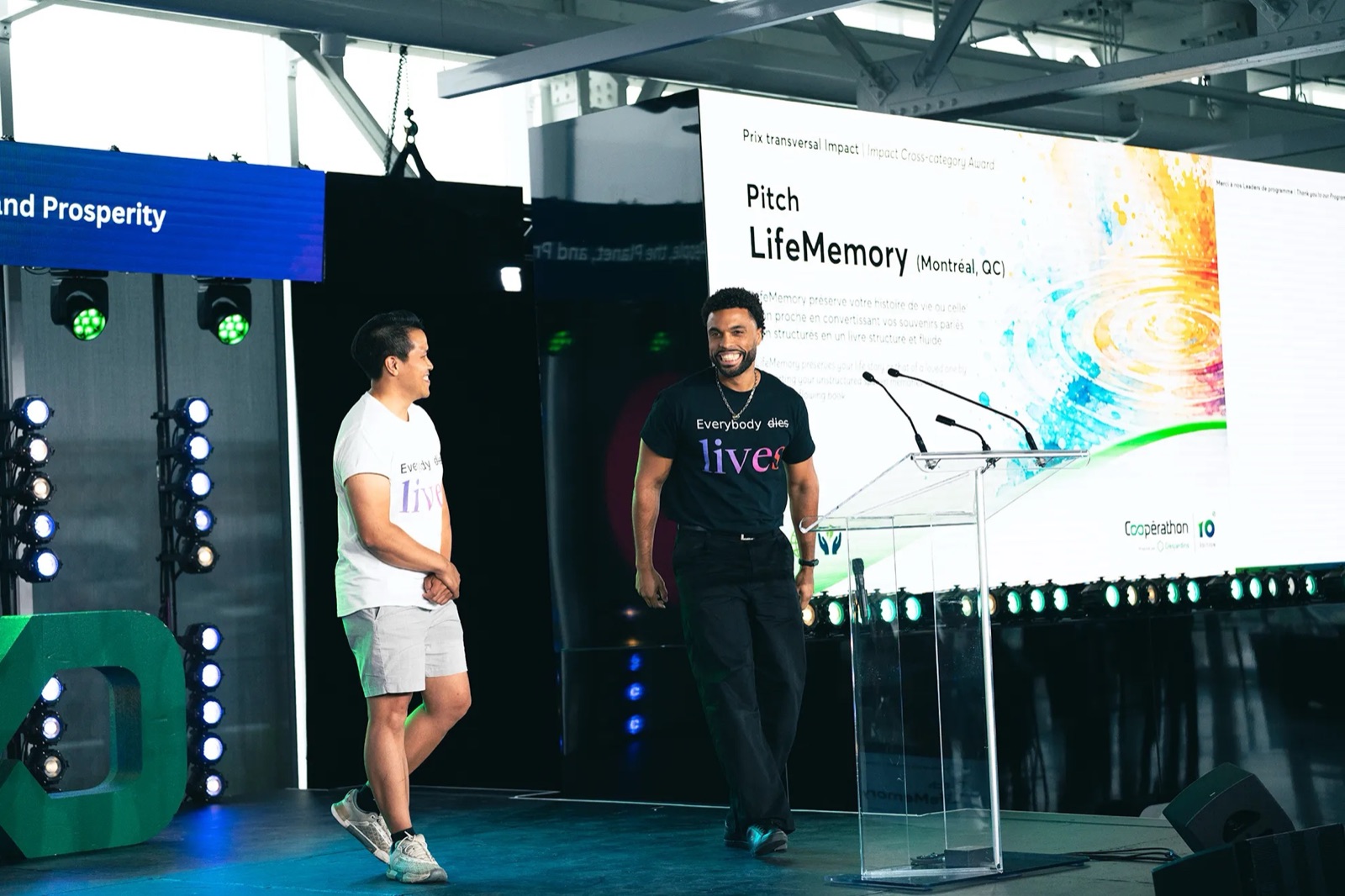
We built LifeMemory.
San and Ari aren’t old enough yet to read what I started writing for them. But this time, the book will exist.
Dan, co-founder of LifeMemory